
Your Crawlspace Vents Are Probably Making Things Worse
Vented crawlspaces trace back to a 1942 federal housing guideline designed for dry climates — not Virginia's hot, humid summers. In Climate Zone 4A, foundation vents pump moisture-laden air onto cool wood framing, accelerating mold, rot, and energy loss. Learn why the building science community has rejected vented crawlspaces and what a conditioned crawlspace actually does for your home.
If your home has a vented crawlspace, someone at some point told you those vents are there to control moisture. They're not wrong about the intent. They're just wrong about the outcome… at least in Virginia's climate.
This is the story of how a building practice born from a good idea in the wrong climate got written into federal guidelines, baked into building codes for decades, and is still showing up in new construction today despite the building science community having thoroughly debunked it.
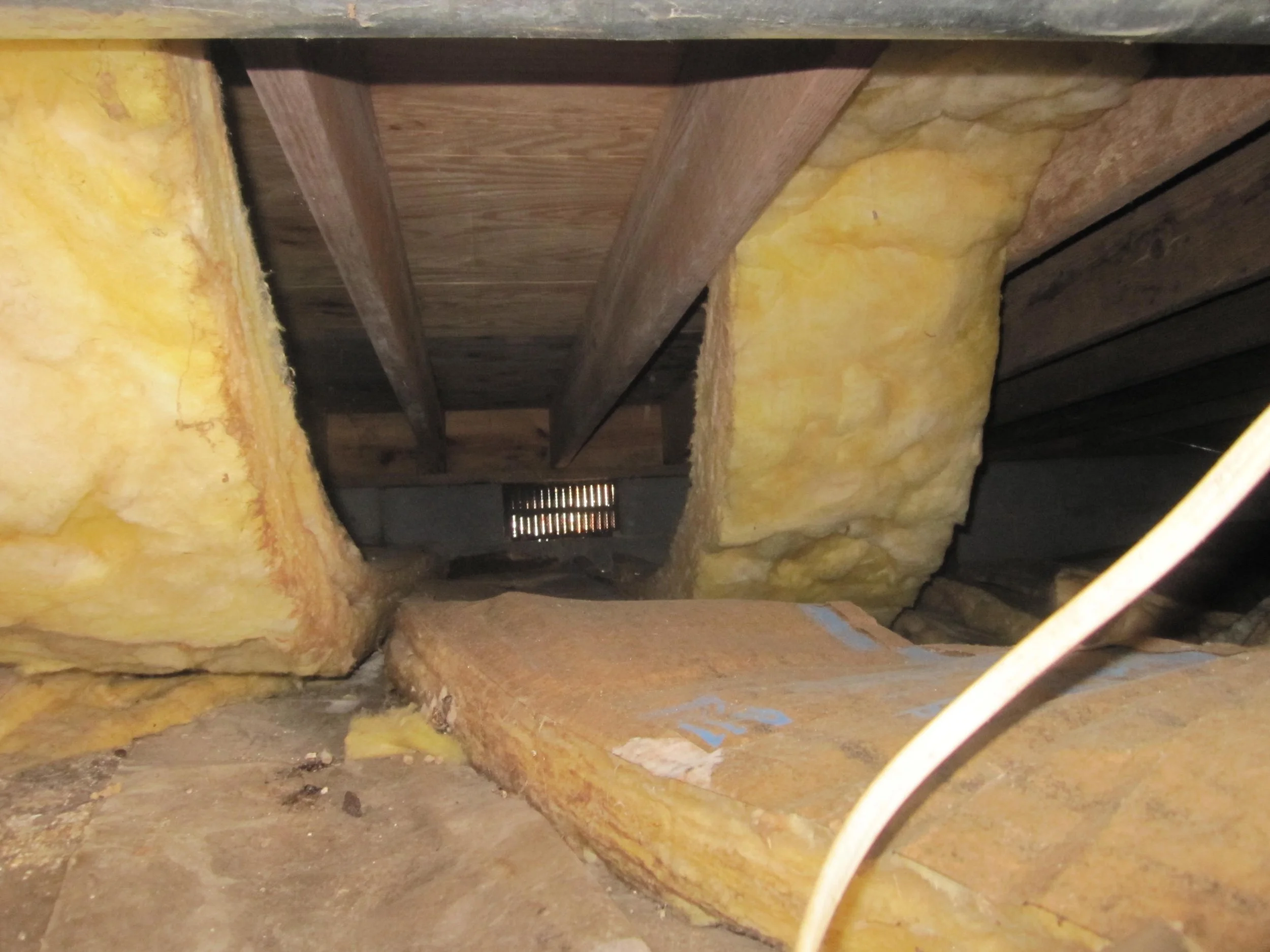
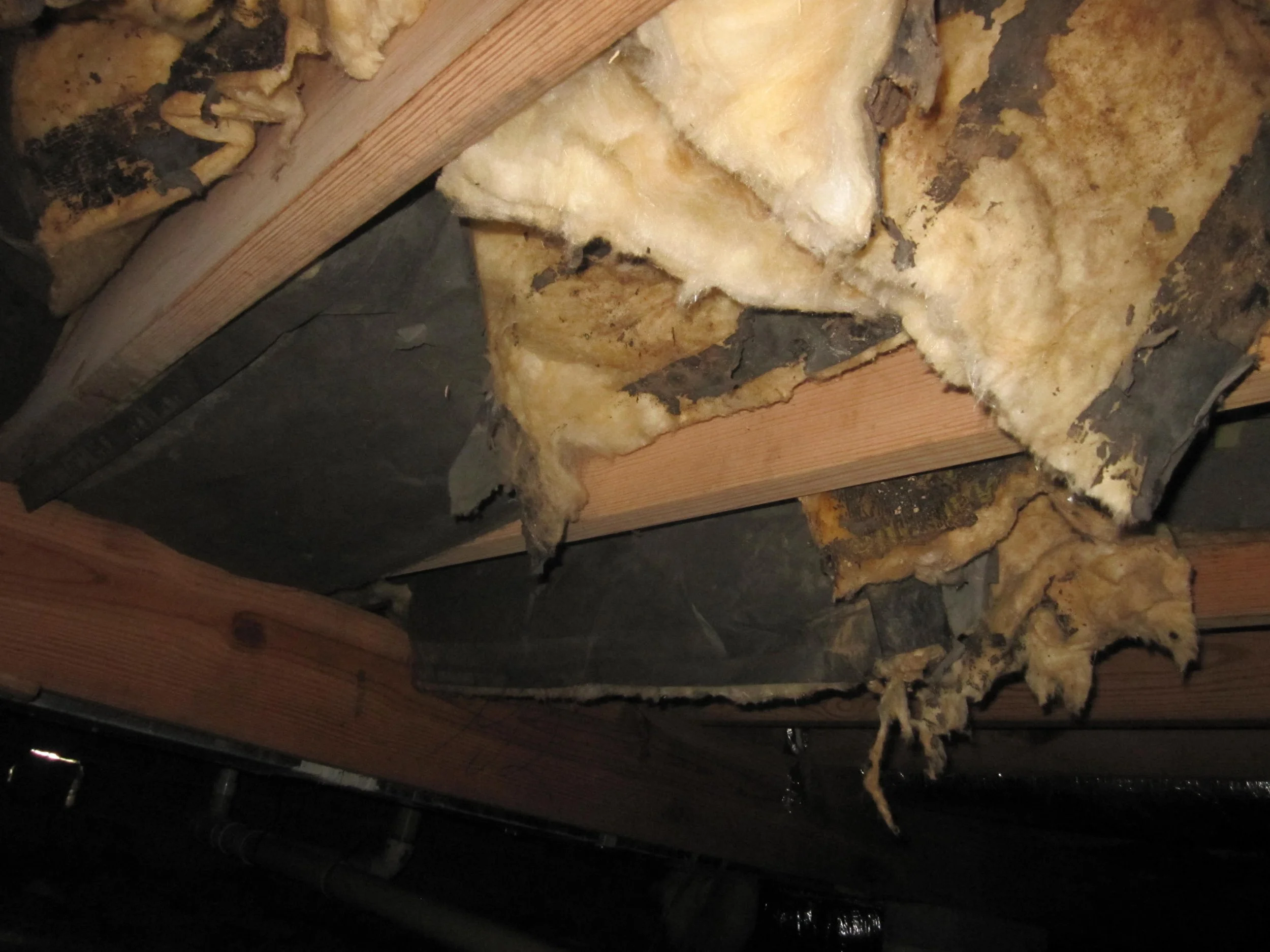
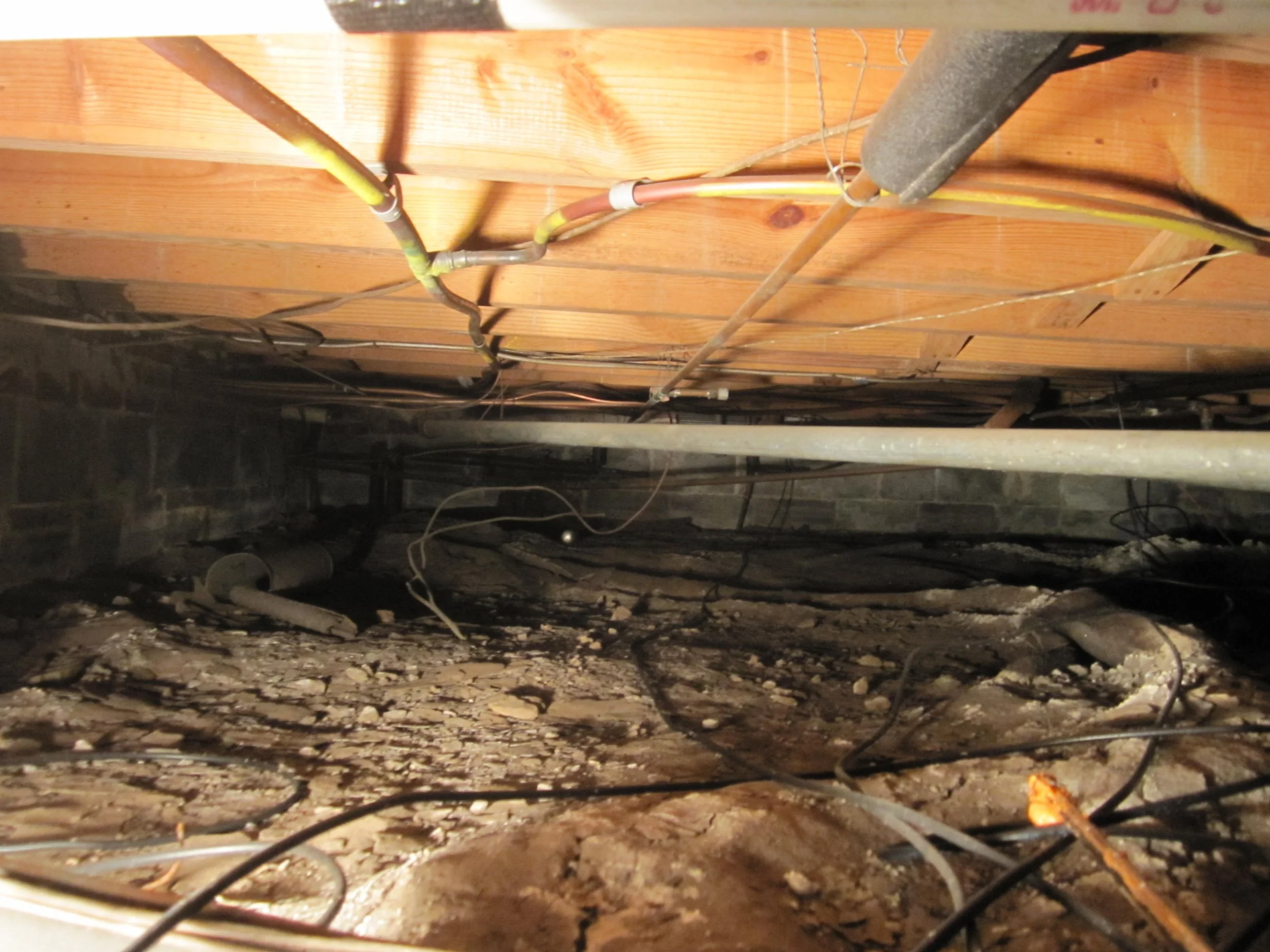
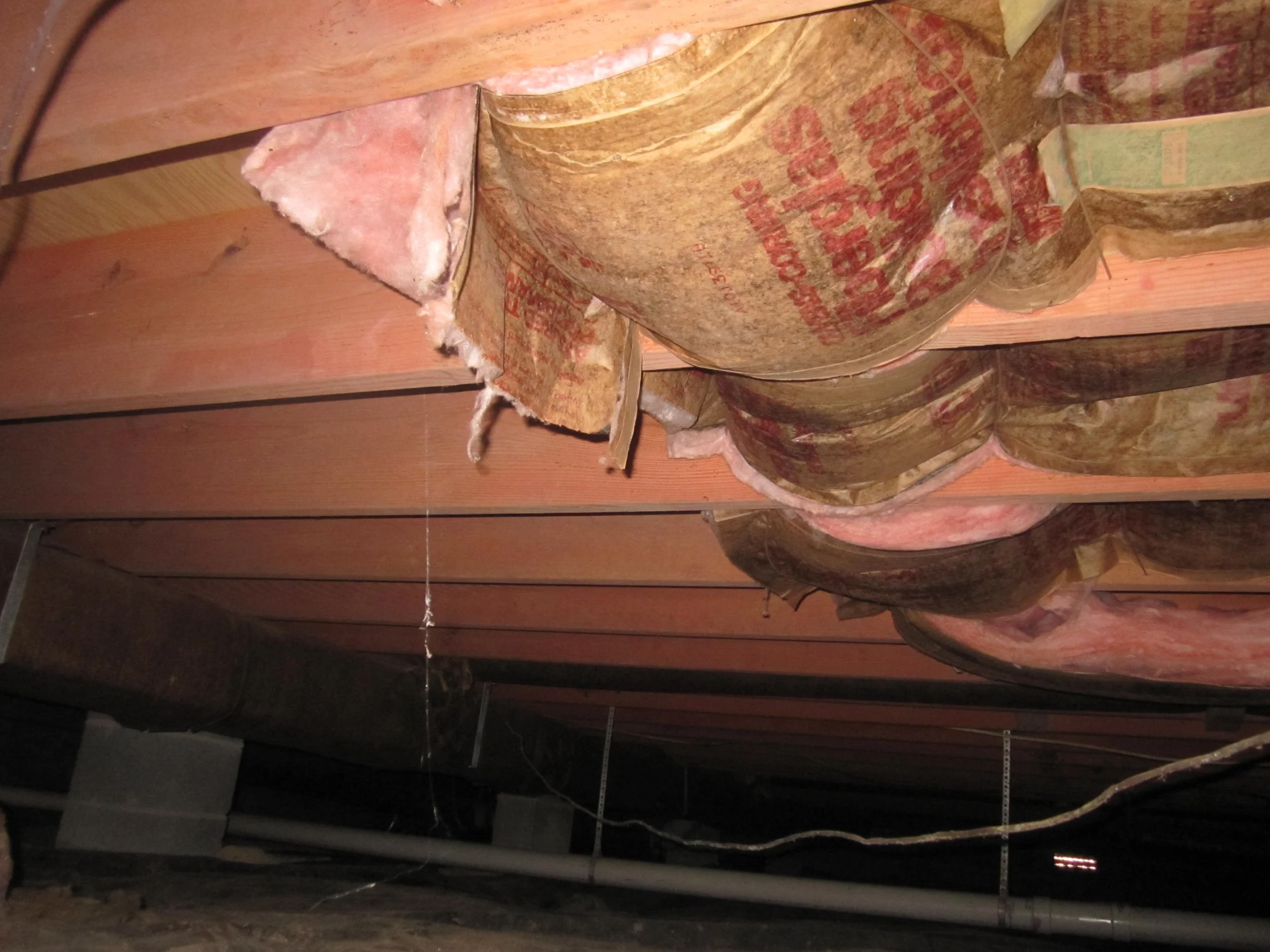
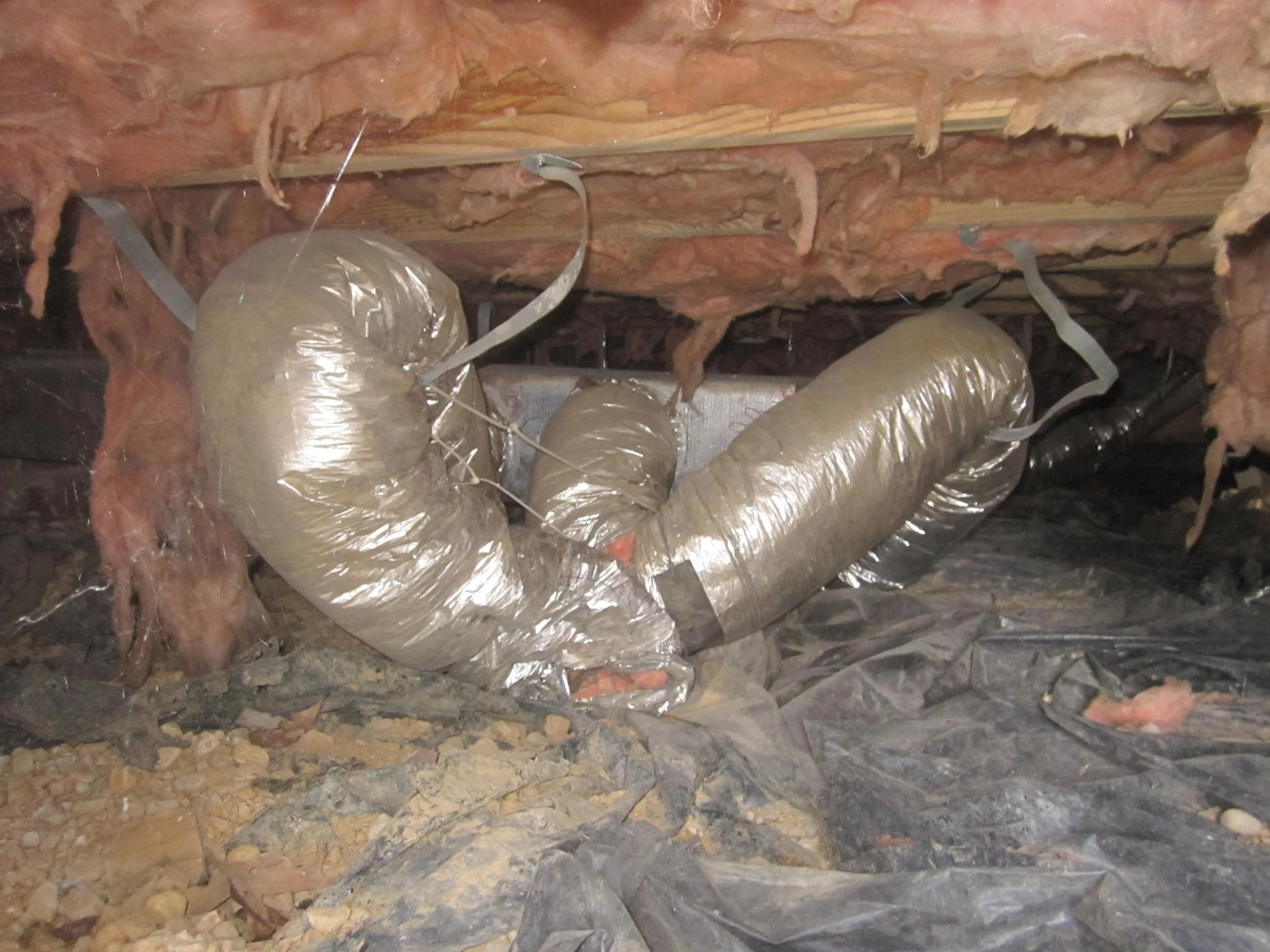
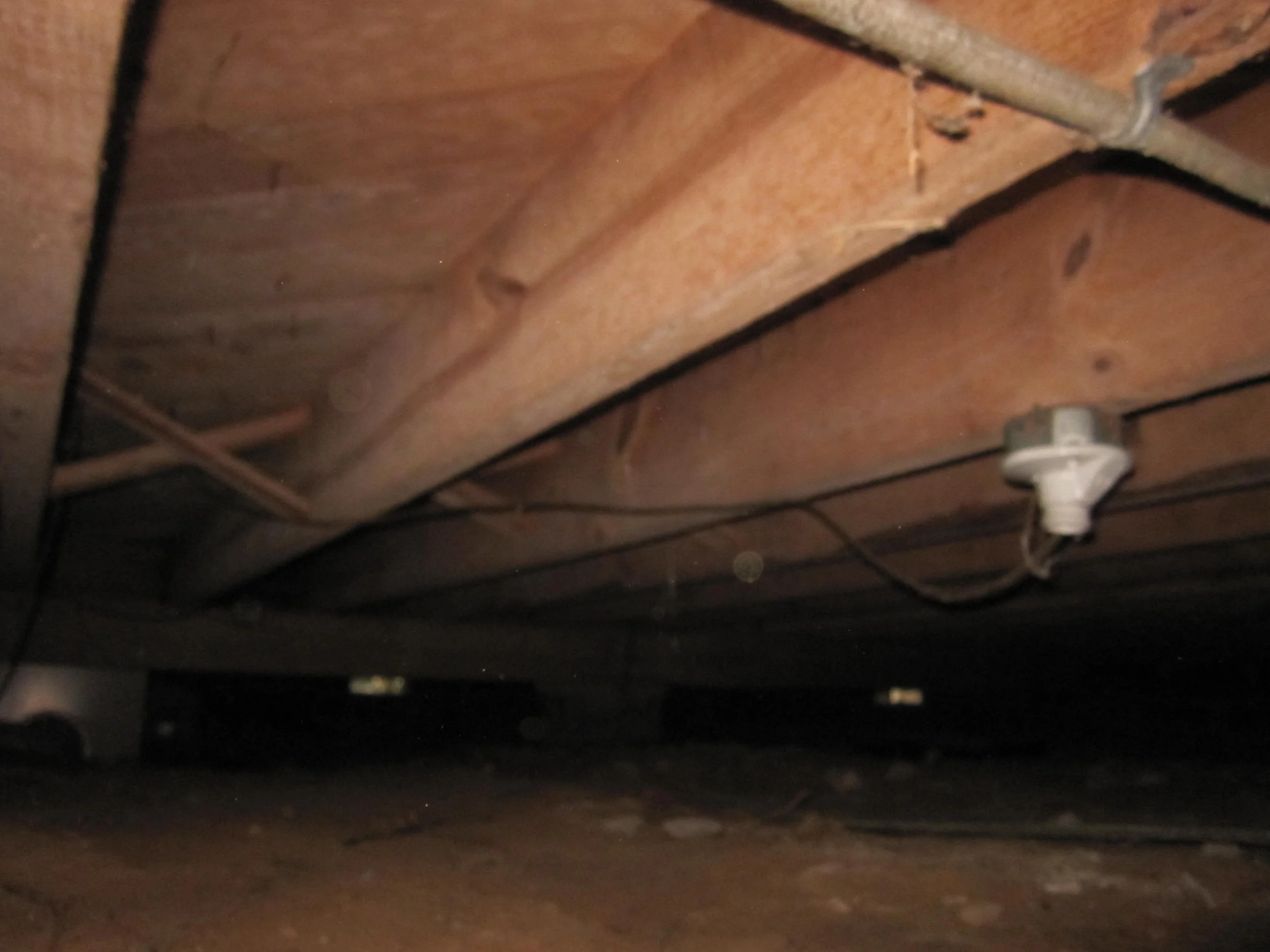
*Embedded are just a few pictures from energy audit inspections I’ve personally conducted over my 20 years in the industry.
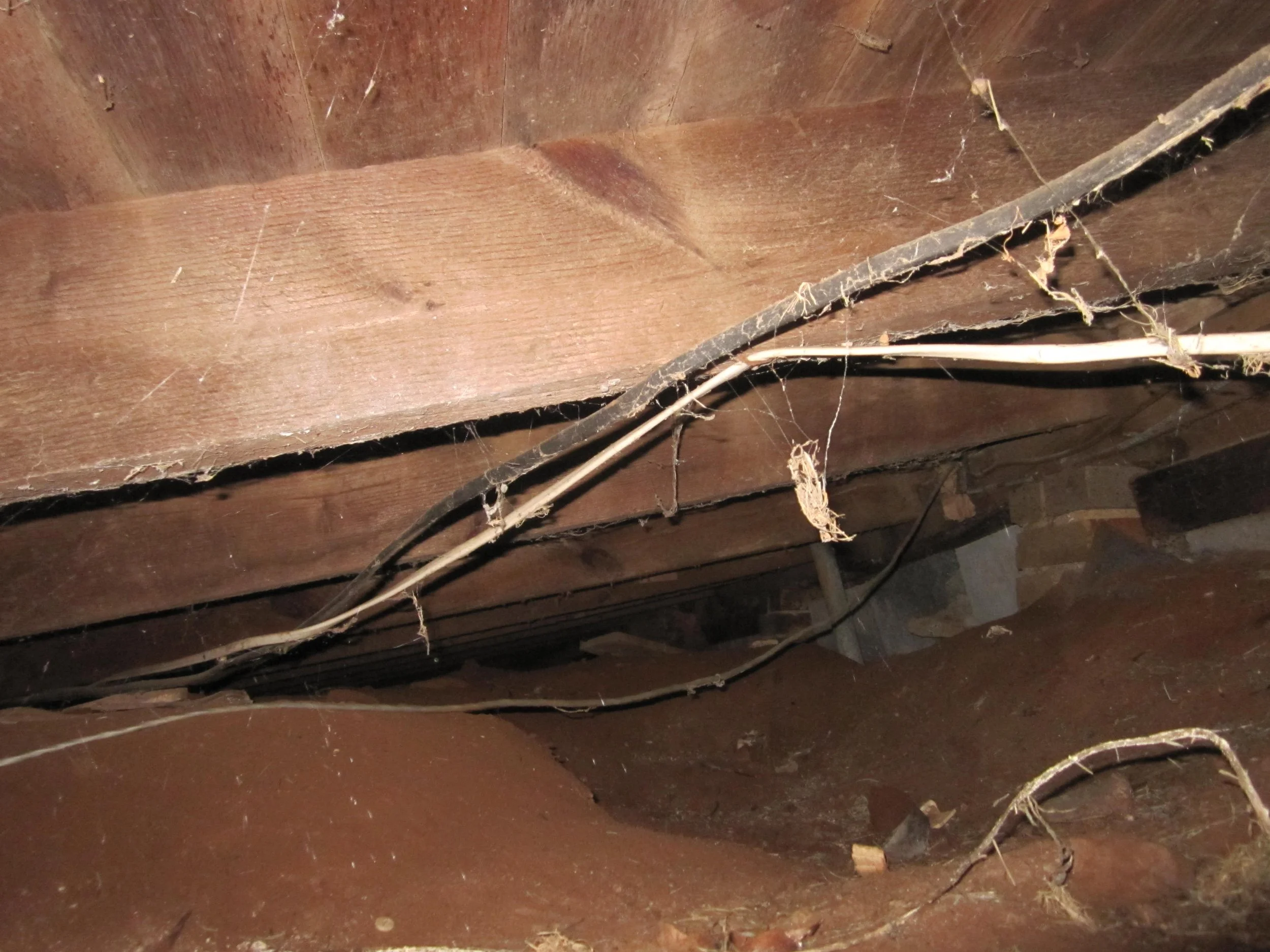
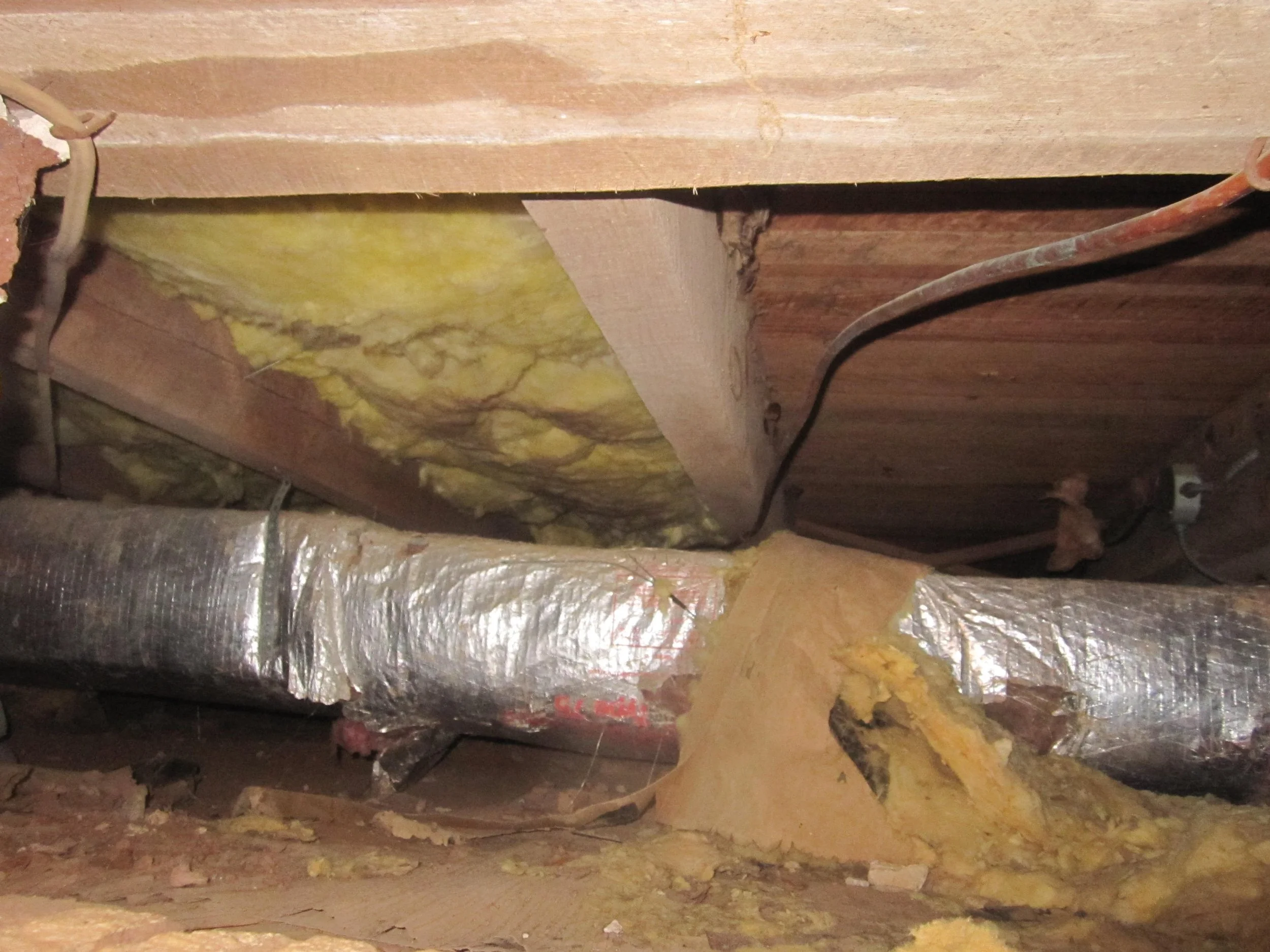
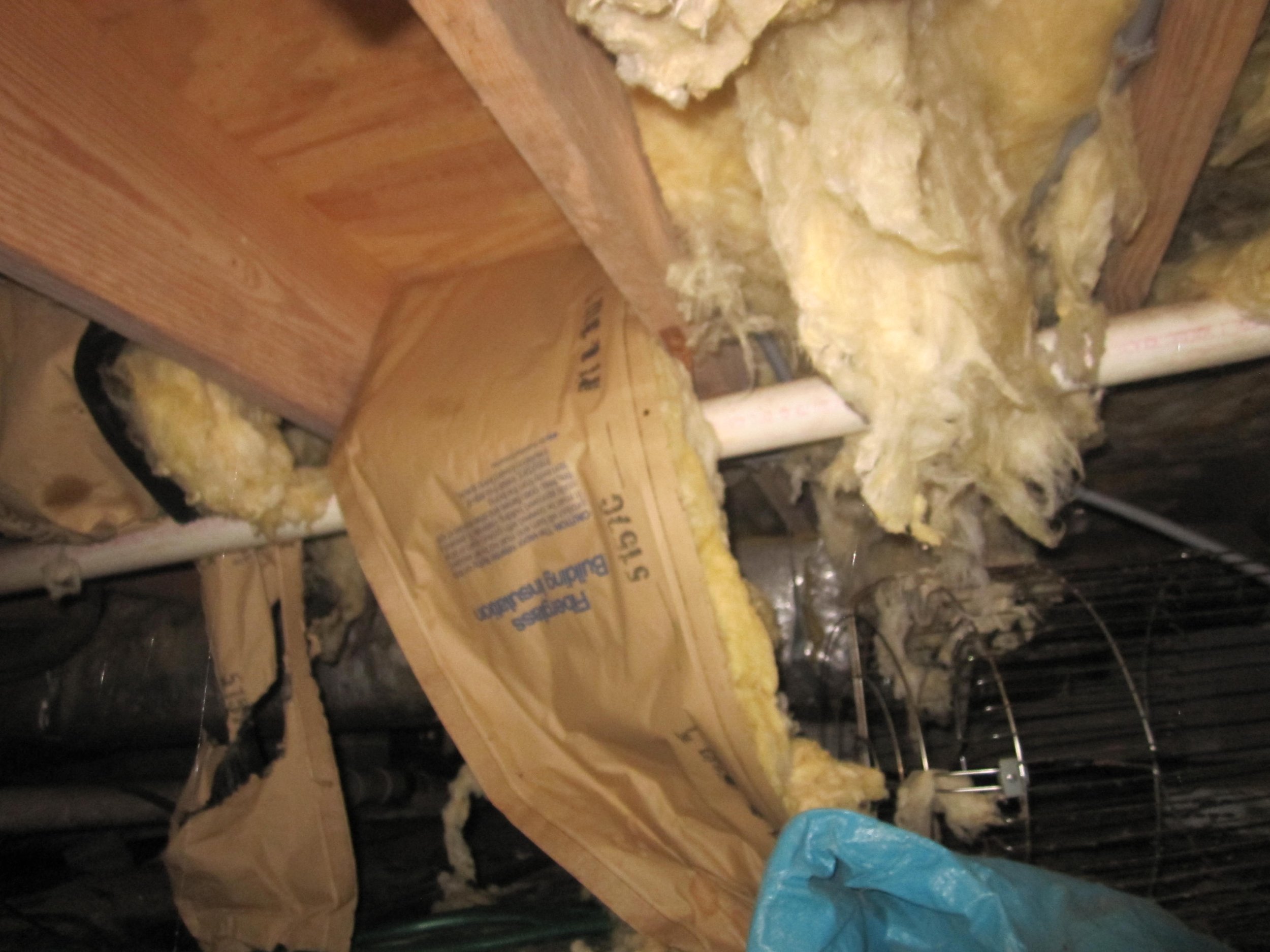
Where Vented Crawlspaces Come From
The vented crawlspace is not ancient wisdom passed down through generations of master builders. It is a mid-century federal housing policy decision.
Vented crawlspace requirements trace back to January 1942, when the Federal Housing Administration first published them. The logic at the time was straightforward: enclosed crawlspaces were accumulating moisture and causing rot and structural problems, so the solution was to add foundation vents and let the space "breathe." Building codes quickly adopted this practice, requiring 1 square foot of ventilation per 300 square feet of under-floor area.
It became standard. Builders built to code. Inspectors inspected to code. And for decades, nobody seriously questioned it because in dry climates (think the American Southwest and parts of the Mountain West) the logic actually held. Dry outdoor air flowing through a crawlspace would indeed help keep things dry.
Virginia is not the American Southwest.
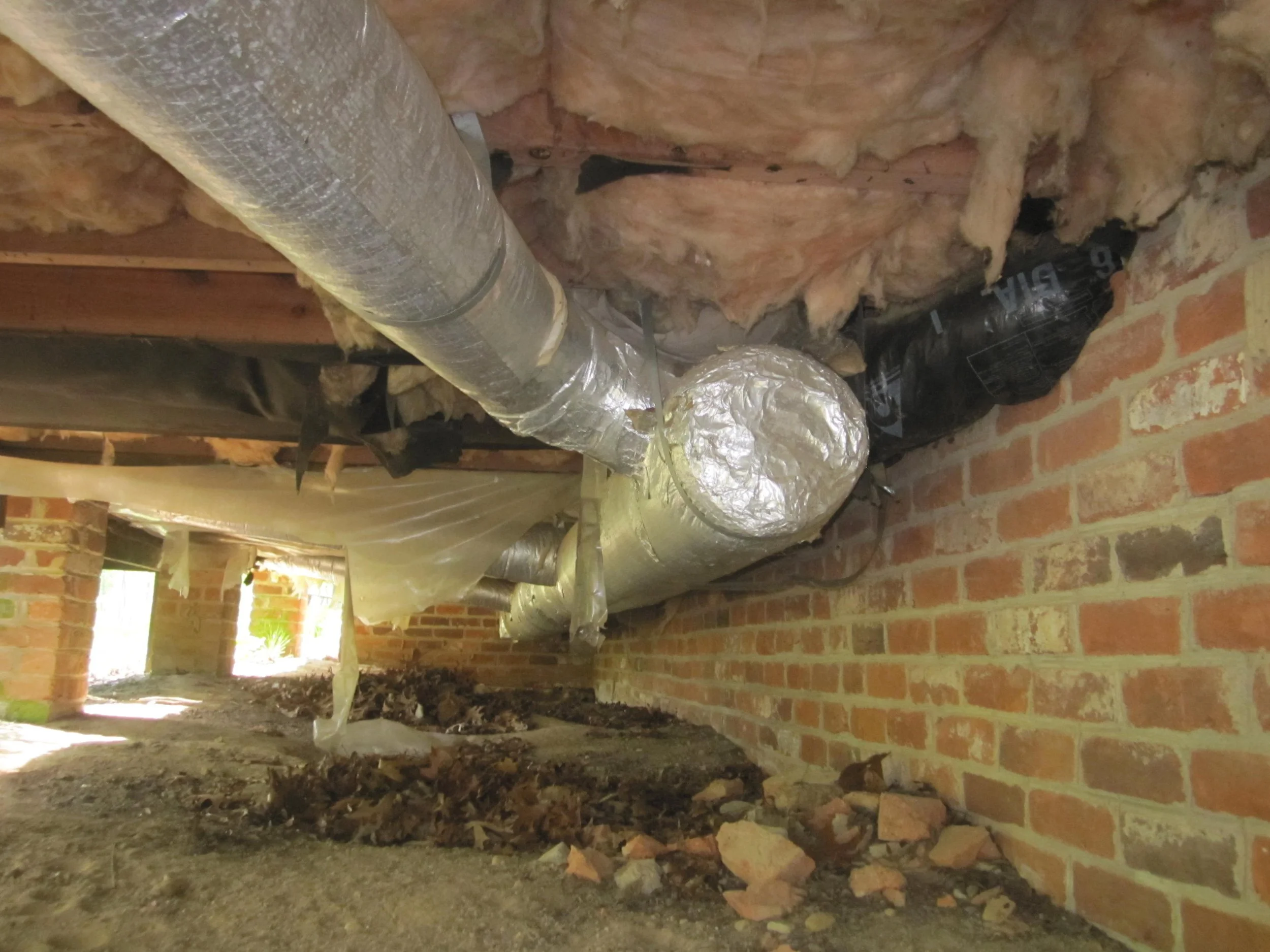
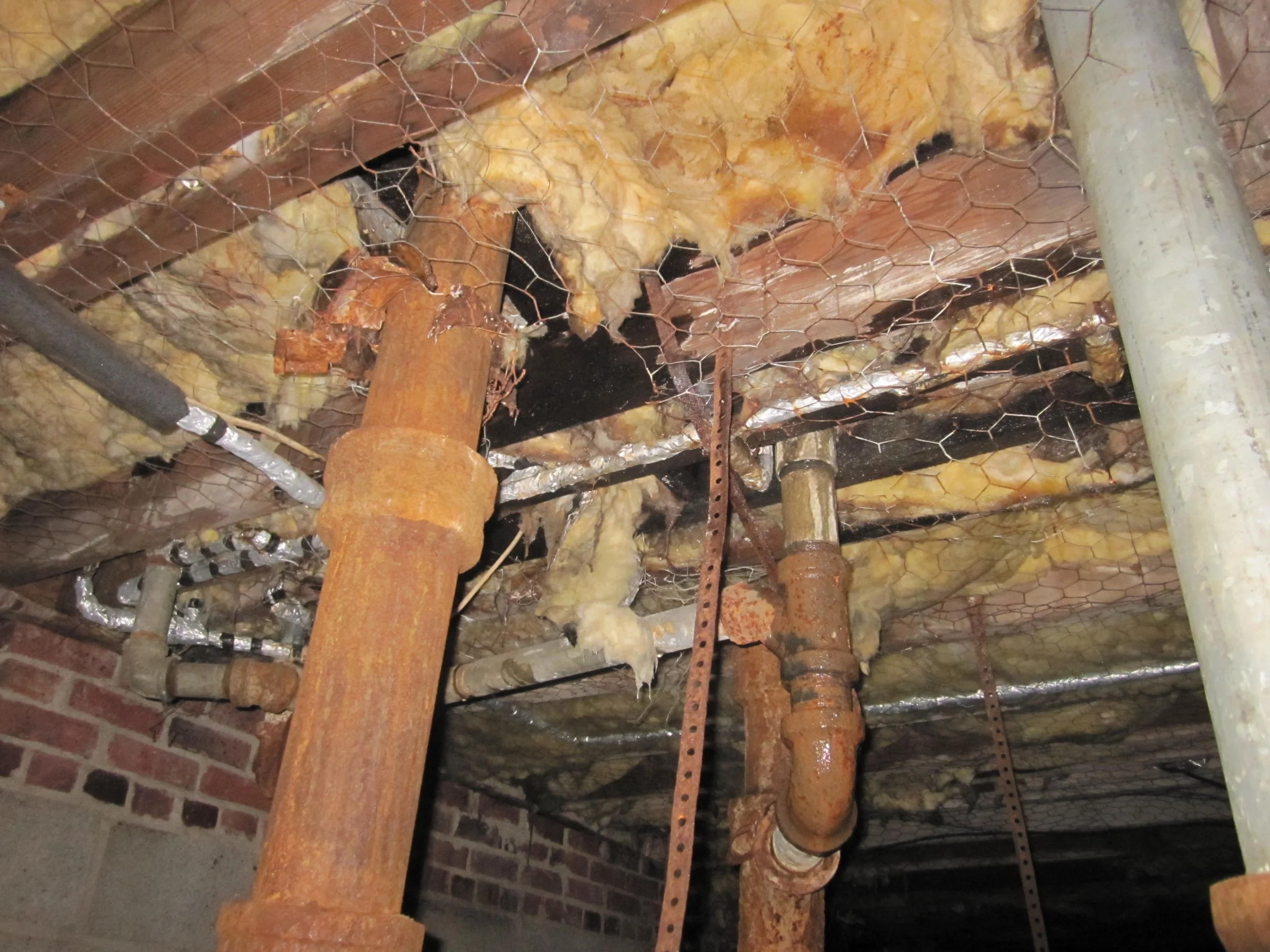
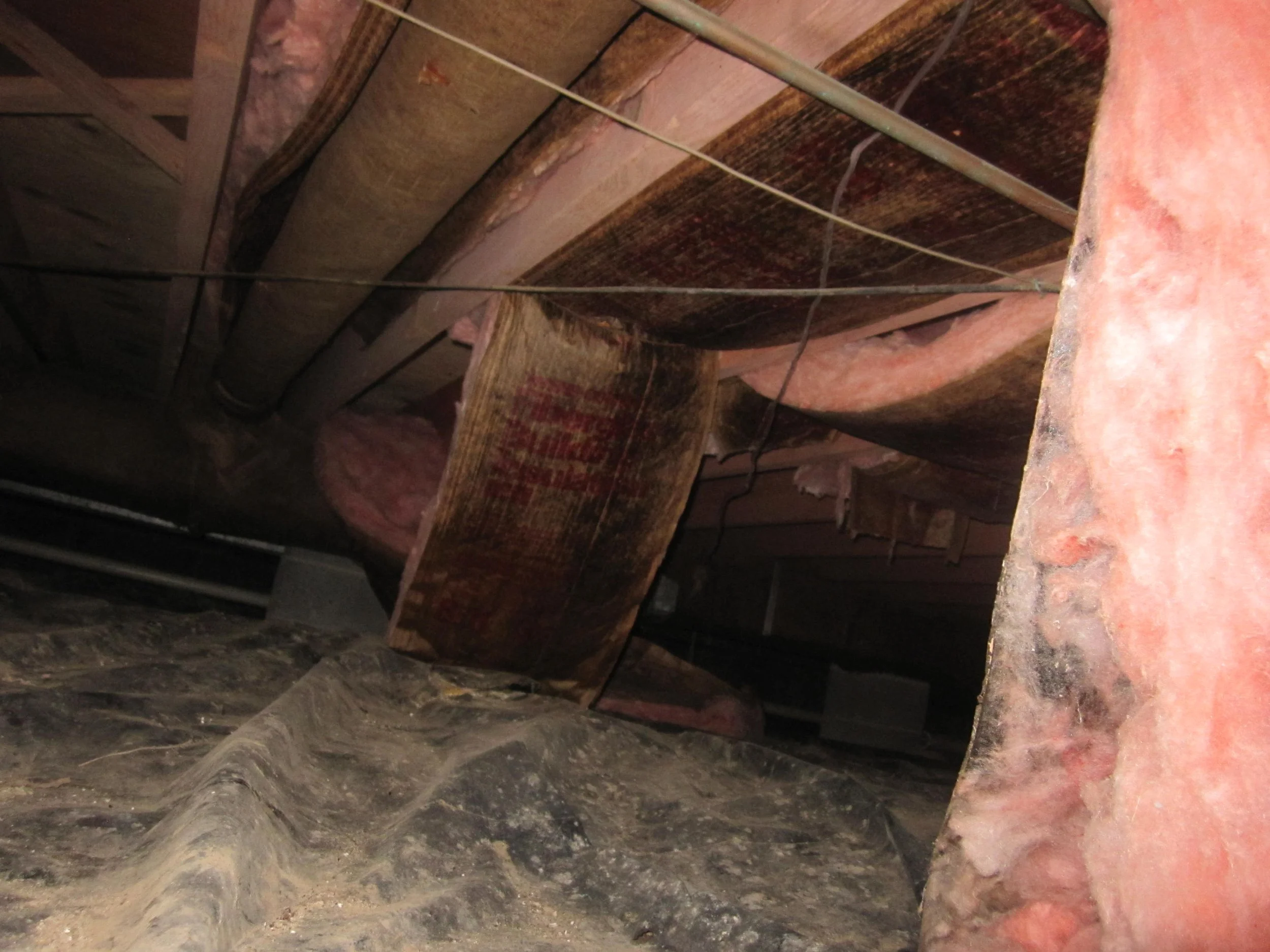
Why It Doesn't Work Here
Richmond sits in Climate Zone 4A — a mixed-humid climate. Hot, thick, muggy summers. Moderate winters (insert your own air quotes if reading aloud). Ground that holds moisture. Outdoor air in July and August that feels like a warm wet towel.
Here is the fundamental problem with venting a crawlspace in this climate: in humid climates, the warm humid air entering the crawlspace is more likely to condense on crawlspace framing than to help dry out the crawlspace. The outside air can often have a dew point that is higher than the interior crawlspace framing surface temperature.
In plain terms: you are allowing warm, moisture-laden summer air into a space that is cooler than that air. The moisture condenses on the wood framing, the floor joists, the subfloor, the ductwork — anything cooler than the incoming air. You are not drying your crawlspace. You are wetting it.
Research has shown that vented crawlspaces located in mixed or hot-humid climates tend to increase the moisture level within the space instead of keeping it drier.
This is not a fringe position. This is the established consensus of the building science community, supported by decades of field research.
And it gets worse in winter. Wintertime ventilation makes crawlspaces colder and increases heat loss from the home — venting crawlspaces wastes energy, and can lead to freezing pipes and uncomfortable floors. Keep people warm from the knees down and they don’t have much to complain about.
What's Actually Living in Your Crawlspace
A vented crawlspace in Virginia is not just an energy problem. It is a durability problem and potentially a health problem.
Traditional vented crawlspaces are often damp, mouldy and inhabited with pests. They have almost universally been found to be well connected to indoor air through many small unintentional air leaks in the floors, partitions, and ducts.
That last point deserves emphasis. Your crawlspace is not sealed off from your living space. Air moves upward through a building — a phenomenon called the stack effect — and that means whatever is in your crawlspace eventually ends up in your home. Mold spores. Humid air. Pest activity. All of it migrates upward through the gaps around plumbing penetrations, wiring runs, and ductwork connections that are present in virtually every home built over a crawlspace.
If you have unexplained musty odors, allergy symptoms that get worse at home, or floors that feel cold and damp in winter, your crawlspace is a likely contributor.
The Code Finally Caught Up — But Slowly
The housing industry has been reluctant to use unvented crawlspaces despite their compelling benefits and the history of problems with existing vented crawlspaces. One of the reasons commonly cited by builders and designers is "the code does not allow me to build unvented crawlspaces." This is both generally correct and misleading.
Building codes evolved from requiring vented crawlspaces to allowing unvented, conditioned spaces by 2004, when the International Residential Code permitted sealed crawlspaces with proper ground cover and conditioning systems.
That is over sixty years of homes built to a standard that building scientists had been raising serious concerns about. And even with the code updated, the industry moved slowly. Vented crawlspaces are still being built today because they are what builders know, what inspectors are comfortable with, and what code minimums technically permit in certain configurations.
What a Conditioned Crawlspace Actually Does
The alternative is not complicated, though it does require doing it right. Conditioned crawlspaces perform better than vented crawlspaces in terms of safety, health, comfort, durability and energy consumption — and they do not cost more to construct than vented crawlspaces.
The concept is simple: crawlspaces should be designed and constructed as mini-basements — part of the house, within the conditioned space. They should have their floors uninsulated, the ground vapor sealed, their walls insulated and air sealed, and their air conditioned with indoor air.
Instead of insulating the floor above the crawlspace (which leaves the crawlspace cold and exposed), you insulate the foundation walls and bring the crawlspace inside the thermal envelope of the home. A continuous vapor barrier seals the ground. A small amount of conditioned air is introduced to keep temperature and humidity stable. The space stays dry, warm enough to prevent condensation, and connected to the house — which means it behaves like the house.
Research has shown that properly closed crawlspaces reduce energy use by 15% versus vented construction. Floors feel warmer. Ductwork in the crawlspace stops losing conditioned air to an unconditioned space. Mold has no moisture to feed on. Pests have fewer entry points and less hospitable conditions.
What This Means for Your Home
If your home was built before 2004 — or even after — there is a reasonable chance it has a vented crawlspace. If it does, those vents are likely working against you during Virginia's humid summers, costing you energy year-round, and potentially contributing to moisture and air quality issues in your living space.
The fix is a crawlspace encapsulation: sealing the vents, installing a continuous vapor barrier on the ground and foundation walls, insulating the perimeter, and connecting the space to your home's conditioning system. Done correctly, it is one of the higher-return improvements a Virginia homeowner can make — combining energy savings, improved comfort, and long-term durability into a single scope of work.
The building science has been clear on this for two decades. The only question is whether your crawlspace has caught up.
Sources: Building Science Corporation, Info-512: Crawlspace Insulation; Building Science Corporation, BA-0401: Conditioned Crawlspace Construction, Performance and Codes; U.S. Department of Energy, Building America.
Sustainable Building Elements provides independent energy assessments for homeowners in the Richmond, Virginia area. We assess your crawlspace, insulation, air sealing, and mechanical systems and tell you what your home actually needs — without selling you the work. Get in touch to schedule an assessment.
Cold Climate Heat Pumps: Better Performance, Lower Bills in Virginia
Cold Climate Heat Pumps: Advancements in Technology
If you've ever hesitated to switch to a heat pump because you heard they don't work when it gets cold, you're not alone. That concern was legitimate — ten years ago. Today it's largely a myth, and understanding why could save you significant money on your energy bills, especially as utility rates continue to climb.
Where the Reputation Came From
Older heat pumps — the kind installed through the 1990s and much of the 2000s — had a real weakness. When outdoor temperatures dropped below about 35 to 40°F, the system would struggle to extract enough heat from the outside air to warm your home efficiently. At that point, it would kick over to emergency heat: a resistance heating element that works essentially like a giant electric toaster inside your air handler.
Emergency heat gets the job done, but it is expensive to run. Resistance heating converts electricity to heat at a 1:1 ratio — one unit of energy in, one unit of heat out. That's the worst possible efficiency ratio for a heating system.
In Richmond's climate, temperatures regularly dip into the 30s throughout December, January, and February. That means older heat pumps were running on emergency heat — their most expensive operating mode — for extended stretches of the coldest months every single winter.
What Changed: Variable Speed Compressors and Cold Climate Engineering
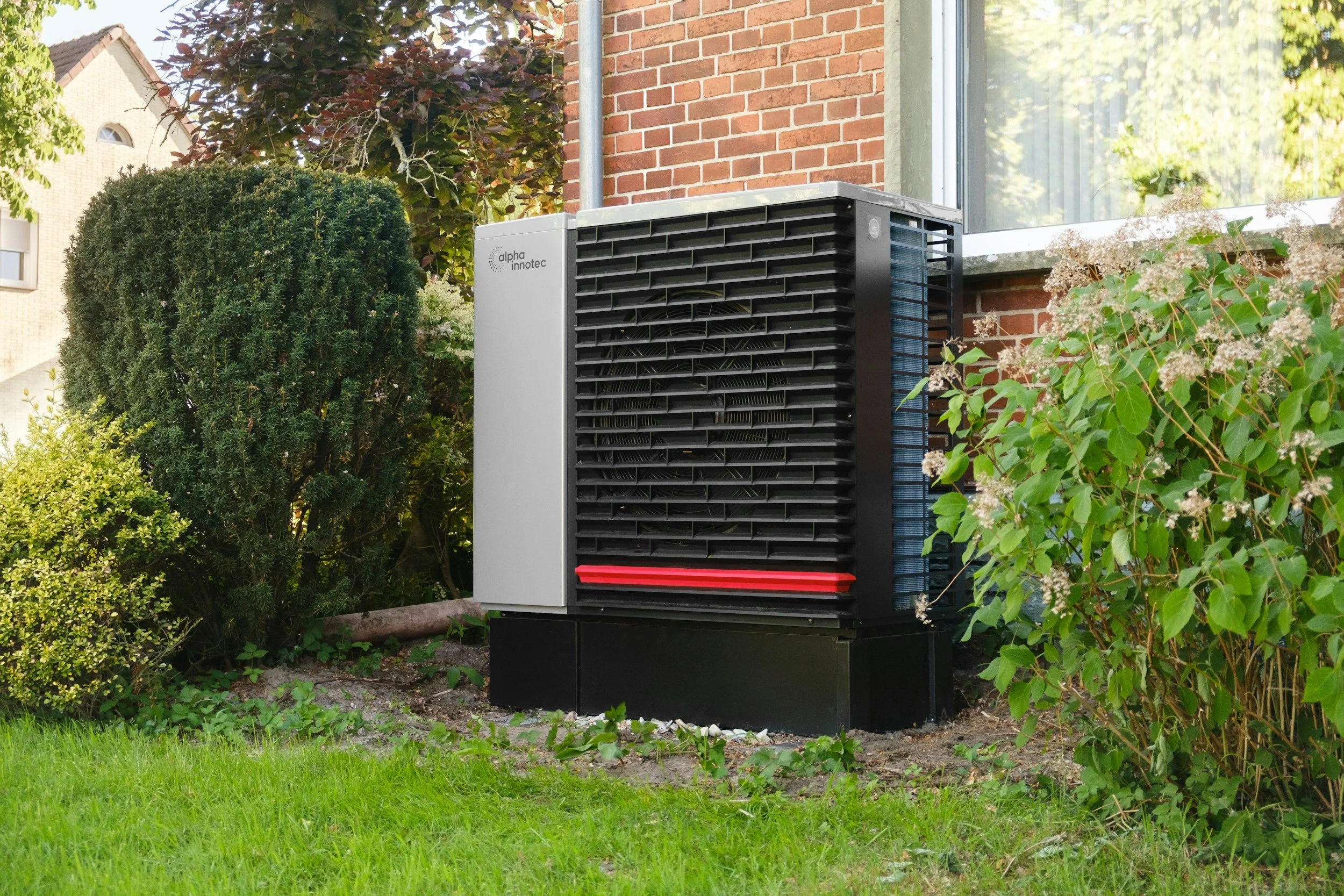
Modern cold climate heat pumps operate on fundamentally different technology. The key advancement is inverter-driven compressor technology. Unlike older single-stage compressors that simply switched on and off at full capacity, inverter-driven systems continuously vary their speed and output to match the exact heating demand at any given moment. Paired with improvements in refrigerant technology and heat exchanger design, today's cold climate inverter heat pumps can extract usable heat from outdoor air at temperatures that would have completely defeated older equipment.
The result: leading cold climate heat pump models are now rated to operate efficiently down to -13°F to -19°F. At those temperatures, Richmond, Virginia essentially never requires emergency heat as anything other than a true last-resort backup for an extreme weather event.
Think about what that means practically. In a typical Richmond winter, a modern cold climate heat pump stays in efficient heat pump mode nearly the entire season. Emergency heat — formerly a regular occurrence on cold nights — becomes something most homeowners rarely if ever experience.
The Real Cost of Emergency Heat in a Rising Rate Environment
This matters more now than it did five years ago. Utility rates in Virginia have increased meaningfully, and the trend is not heading in a favorable direction. Every hour your system spends running on resistance emergency heat instead of heat pump mode is significantly more expensive than it needs to be.
A heat pump's efficiency is measured by its Coefficient of Performance (COP) — how many units of heat it delivers per unit of electricity consumed. A modern cold climate heat pump operating at 20°F might achieve a COP of 2.0 to 2.5, meaning it delivers two to two-and-a-half times more heat energy than the electricity it consumes. Emergency resistance heat has a COP of 1.0 — always, by definition.
If you have an older heat pump that's regularly dropping into emergency heat mode during cold weather, you're paying two to two-and-a-half times more to heat your home during those periods than you would with a properly functioning cold climate system. Over a full heating season, that difference adds up to real money — and it compounds as rates rise.
How to Tell if Your System Is Relying on Emergency Heat
There are a few signs to watch for:
Unusually high electric bills in winter compared to neighbors with similar-sized homes
The emergency heat light on your thermostat illuminates regularly — not just during defrost cycles, which is normal, but for extended periods during cold snaps
Your system is more than 10 to 15 years old — older equipment simply wasn't designed for cold climate performance
You notice the system struggling to maintain setpoint temperature on cold days without running constantly
A proper energy assessment will include a review of your heating system's age, efficiency rating, and operating behavior — giving you a clear picture of whether your current setup is costing you more than it should.
Rebate Incentives Make the Math Better
The good news is that the high-efficiency cold climate heat pump models that eliminate emergency heat dependency are also the ones that qualify for the utility rebates. That means a portion of the equipment and installation cost can be offset through available programs, reducing the payback period on the investment.
Navigating rebate eligibility, documentation requirements, and program deadlines is one of the more confusing parts of the process for homeowners — we can help streamline the process.
Bottom Line
If you're still running an older heat pump that leans on emergency heat every winter, or if you've been putting off a heat pump decision because of cold weather concerns, the technology case has shifted substantially in the last decade. Cold climate heat pumps are not a compromise — in most Virginia climates, they are simply the most efficient way to heat a home.
With utility rates continuing to rise, the operating cost difference between an efficient cold climate system and an older unit running on resistance heat is only going to become more significant over time.
Sustainable Building Elements provides independent energy assessments for homeowners in the Richmond, Virginia area. We help you understand what your home actually needs — without selling you equipment or installation work. Get in touch to schedule an assessment.